Hacks & Hobbies
I’m a father of 4 kids, beekeeper and a hobbyist, started the podcast to document my journey and in turn realized all of my potential through storytelling, which enabled me to pivot the podcast to interview others that took their passion to profit.
People listening to it are either on a journey or discovering what is possible with the technology we have at hand.
I’ve been a tech enthusiast as long as I can remember, started with cameras back in 1989, and then introduced to computers in 1992. This set my foundation to build on the experience of delving even deeper on what the computer can do.
In 1995, I graduated from high school in Saudi Arabia and moved the US for higher education only to be influenced to start working and making money.
Which led me to designing flyers for my uncle using my experience with computer software (my major in high school was computer science) I kept going deeper and securing work/job that fueled my experience.
After 20 years of UX, 30 years of Photography and camera I’ve been able to merge the two into finding solutions for my clients in building out their home studios for effortless content creation spaces.
I love this question and I wish I knew who is the actual audience because I’m not getting feedback from them. But what makes the potential audience unique is how FAST they move and the Action takers they are.
I should actually say that I AM the audience for my own podcast because I’m doing all of these interviews for myself so that I can learn from these guests and build my storytelling muscle.
My podcast has a 3 part structure and it works very similar to how my mind works.. at least that’s what I think.
1. I delve into the journey of my guests and how they landed to the place they are today, what inspired them, what enabled them to break the bounds and stand where they are.
2. I ask them to give 3 hacks for the podcast listeners so the audience can implement and take action.
3. I ask them a few questions to gauge who they are as a person and personality.
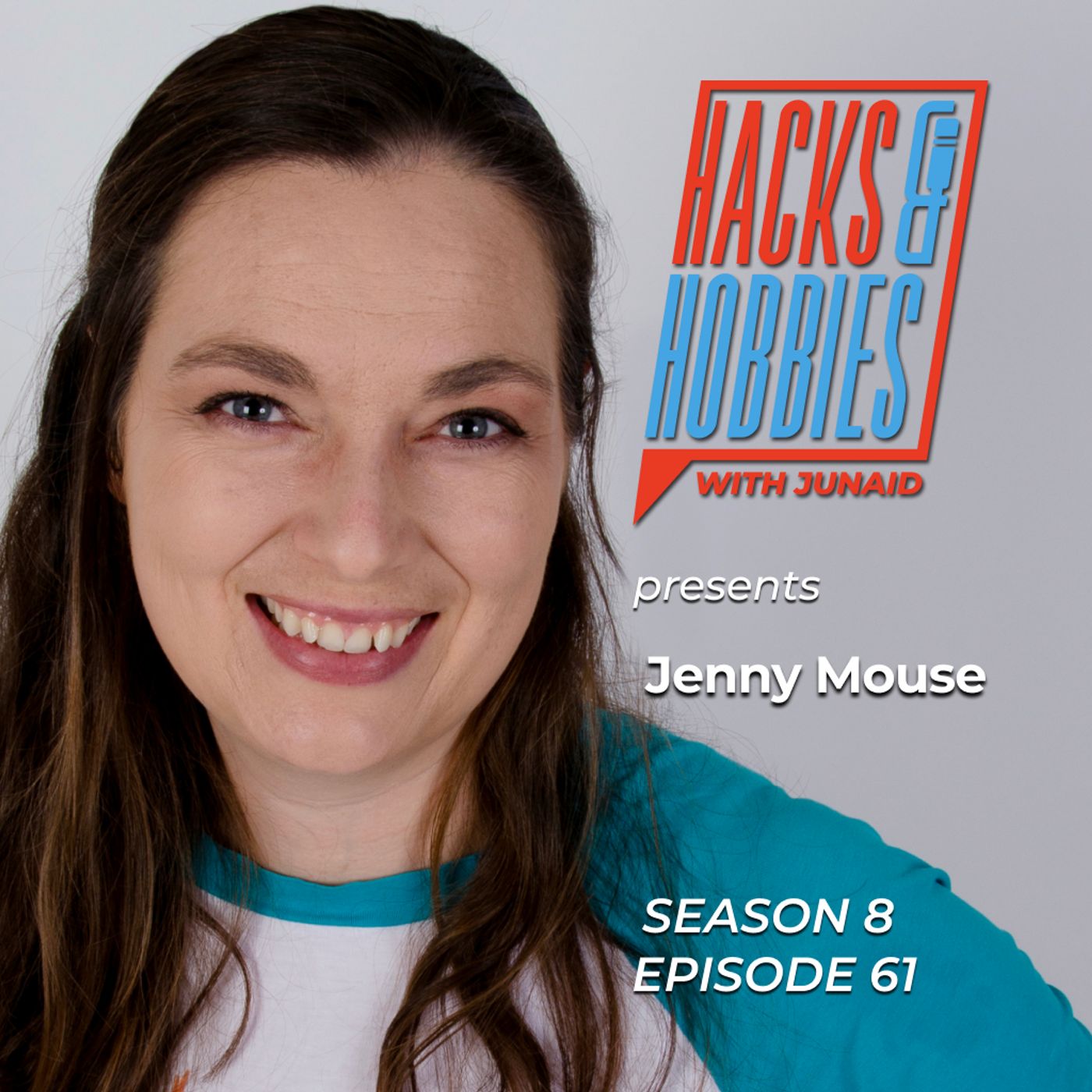
In this episode:
- How to clarify the “why” behind your book—and picture the impact you want it to have.
- Why a book’s transformation for the reader matters as much as its topic.
- How the Snowflake Method turns one sentence into a workable outline.
- Ways to keep nonfiction engaging with stories, case studies, and client examples.
- How to make complex ideas accessible to children without “dumbing them down.”
Timestamps
- 00:00 Why a book can become more than content
- 01:22 The personal story behind Jenny’s brain books
- 06:33 Find your book’s “why” by imagining its future impact
- 12:05 Why some books get finished—and others stay in Google Docs
- 16:29 The Snowflake Method: grow an idea one step at a time
- 22:46 Make nonfiction read like a journey, not a textbook
- 25:53 Writing big topics for small people
Guest links
- Website:jennymouse.com
- Instagram:@travelingchalkboard
- Facebook: @travelingchalkboard
🎙 Wanna be a guest? Apply on PodMatch: https://www.podmatch.com/member/hacksandhobbies
📖 Home Studio resources: https://homestudiobook.com
🔗 LI: https://linkedin.com/in/superjunaid
Hosted by Simplecast, an AdsWizz company. See pcm.adswizz.com for information about our collection and use of personal data for advertising.
Vinnie Potestivo, Editor-in-Chief of
I Have A Podcast®